
Luxor Travel Guide
All you need to know to plan your Luxor holiday
Discover Luxor – The Open-Air Museum of Ancient Egypt
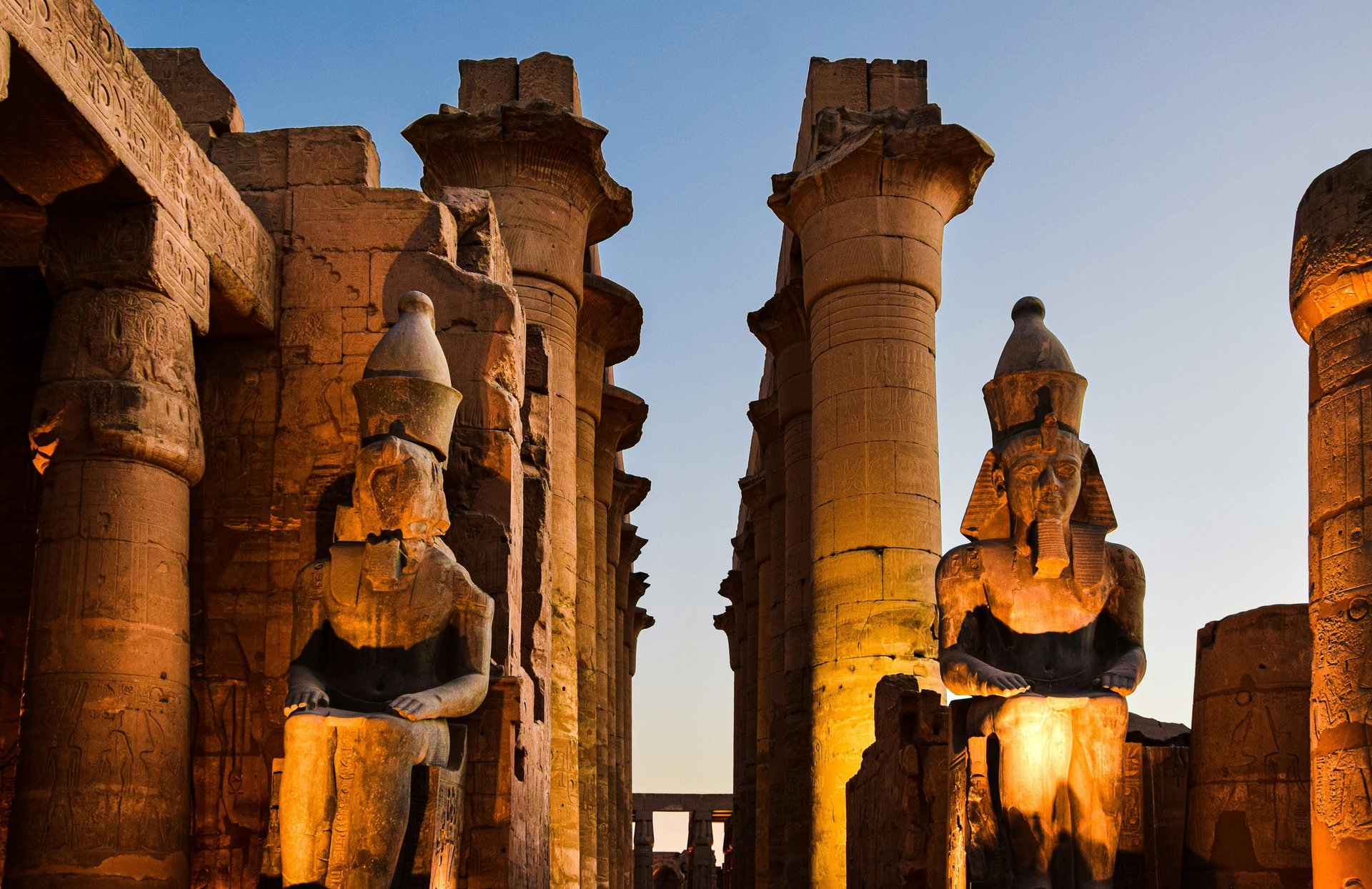
Luxor is a city where history comes alive. Nestled along the east bank of the Nile River, it was once the ancient capital of Thebes and served as the heart of Egypt during the New Kingdom. Today, it’s often called the “world’s greatest open-air museum,” thanks to its incredible concentration of temples, tombs, and monuments that span thousands of years.
Today, Luxor is a vibrant city that blends history with modern life. On the East Bank, you’ll find most of the city’s modern infrastructure, including shops, restaurants, and hotels, making it the main hub for visitors. This area is ideal for travelers seeking comfort, with a wide range of accommodation options, from luxury hotels to cozy guesthouses.

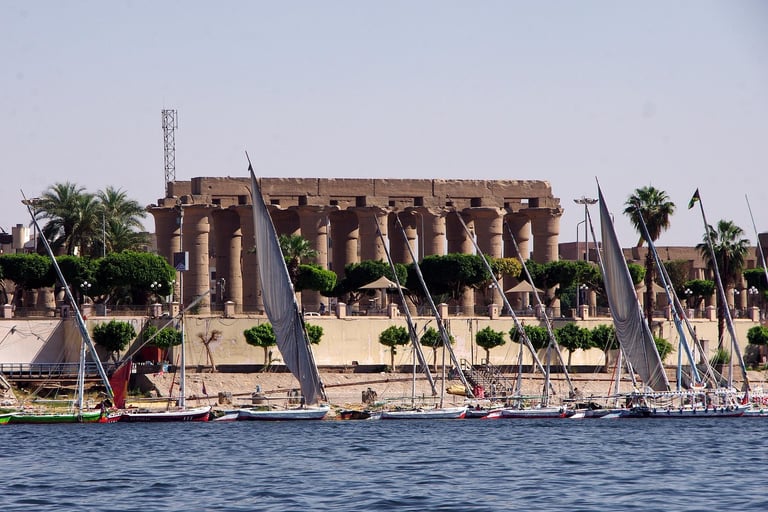
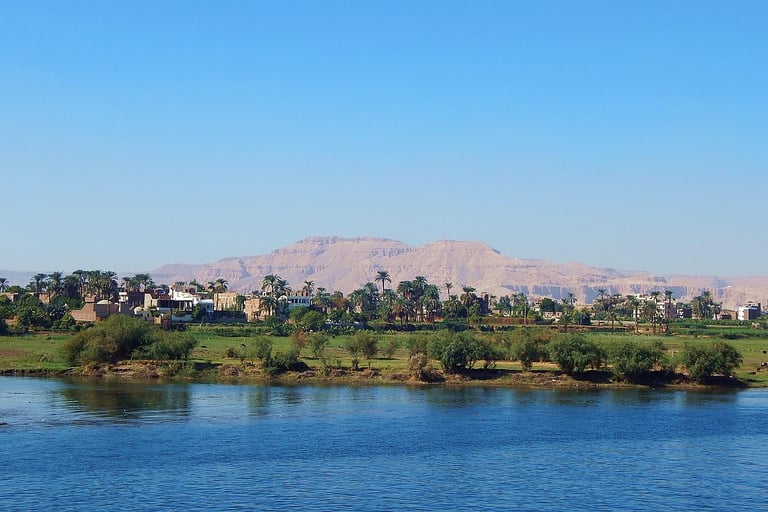
Across the Nile on the West Bank, the landscape is quieter and more peaceful. Here, you’ll find not only the ancient monuments but also rental properties such as Airbnbs and smaller guesthouses, perfect for those who want a more intimate or local experience. The river can easily be crossed by boat or car, allowing visitors to move effortlessly between the bustling East Bank and the historic West Bank.
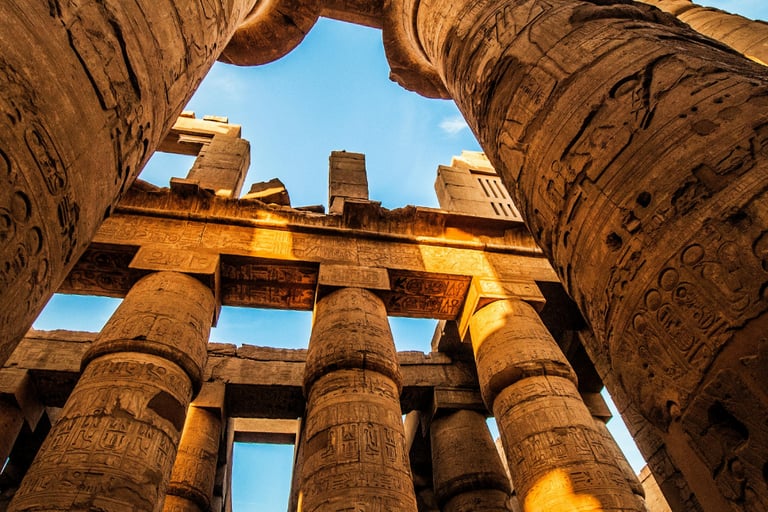
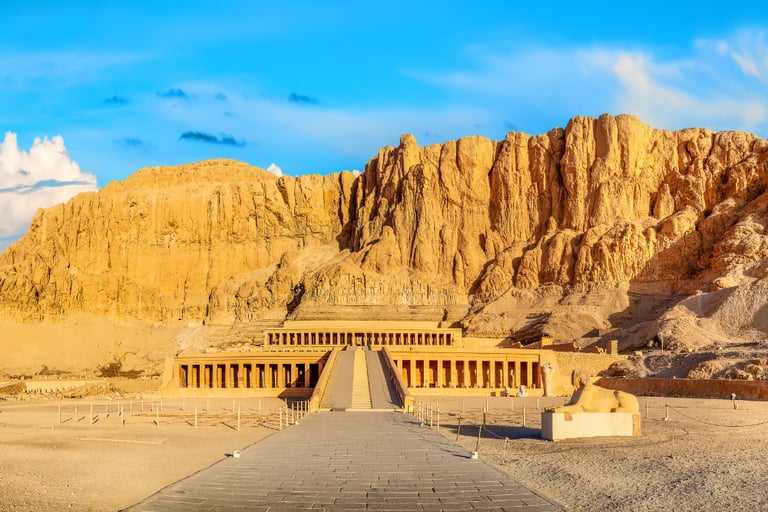
On the East Bank, the grand Karnak Temple Complex and the elegant Luxor Temple showcase the splendor of ancient Egyptian architecture and religious life. Across the river, the West Bank offers a more serene landscape, home to the legendary Valley of the Kings, the sacred Valley of the Queens, and the magnificent Hatshepsut Temple, surrounded by desert and mountains.


Quick Navigation
Luxor-West Bank
Luxor city
Arrival and Departure in Luxor
Most visitors arrive in and depart from Luxor via Luxor International Airport or by traveling overland from other cities in Egypt. Luxor is well connected, making it easy to include in almost any Egypt itinerary.
Luxor International Airport (LXR) handles domestic and limited international flights and is located just a short drive from most hotels on the East Bank. The airport is small and easy to navigate. We strongly advise booking your airport transfer in advance to ensure a smooth and stress-free arrival.
👉 Click here to book our airport transfer in Luxor
Many guests also reach Luxor by private transfer, train, or bus, especially from destinations such as Aswan, Hurghada, or Marsa Alam. We offer comfortable private transfers on popular routes, including:
👉 Private transfer between Luxor and Aswan
👉 Private transfer between Luxor and Hurghada
👉 Private transfer between Luxor and Marsa Alam
If you arrive in Luxor by bus or train, we can also arrange a private transfer between the bus/train station and your accommodation for added comfort and convenience.
👉 Click here to book a transfer between the bus/train station and your accommodation
Departing from Luxor is just as easy, with options including flights, private transfers, trains, and buses. Hotel pick-up can be arranged to ensure a smooth and relaxed departure.
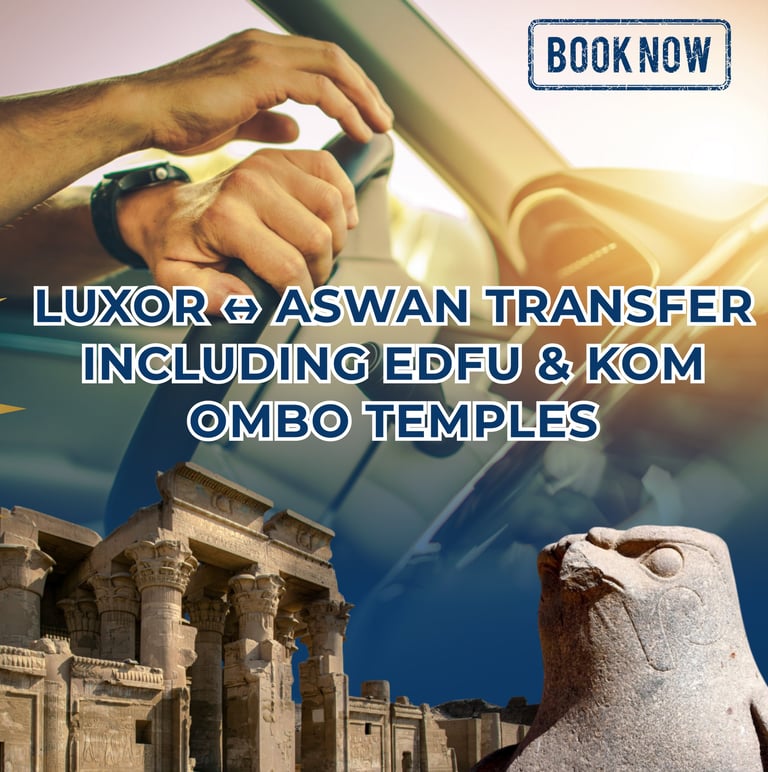


Request a Transfer
Send us a message on WhatsApp with your destination and the number of people, and we’ll get back to you shortly with the price.


Ancient Sites in Luxor and Surrounding Areas
Luxor and its surrounding regions are home to an extraordinary number of ancient Egyptian sites, making it one of the richest historical areas in the world. From royal tombs and grand temples to well-preserved monuments across Upper Egypt, visitors can explore thousands of years of history in and around the city.
West Bank of Luxor
The West Bank is famous for its royal burial grounds and mortuary temples, set against a dramatic desert and mountain backdrop. Key sites include:
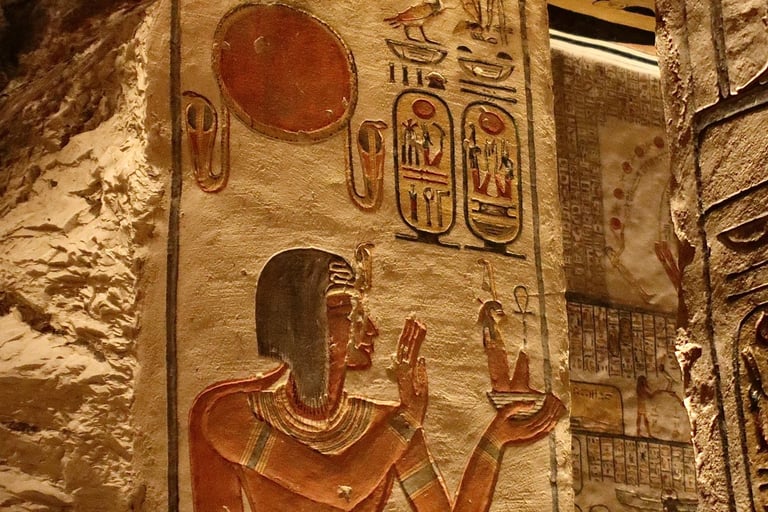
Valley of the Kings – Burial place of New Kingdom pharaohs, including Tutankhamun
Valley of the Queens – Tombs of royal wives and children
Temple of Queen Hatshepsut – One of Egypt’s most striking temples
Medinet Habu – The impressive mortuary temple of Ramses III
Ramesseum – Temple of Ramses II
Deir el-Medina – Village of the artisans who built the royal tombs
Colossi of Memnon – Two massive statues guarding the West Bank
Howard Carter’s House – Former home of the archaeologist who discovered the tomb of Tutankhamun
East Bank of Luxor
The East Bank was the religious and administrative center of ancient Thebes and remains the heart of modern Luxor today:
Karnak Temple Complex – The largest religious complex ever built
Luxor Temple – Beautifully illuminated at night and centrally located
Luxor Museum – Home to a carefully curated collection of ancient artifacts
Sites Near Luxor (Day Trips)
Several important ancient sites are located within easy reach of Luxor and are popular as day trips:
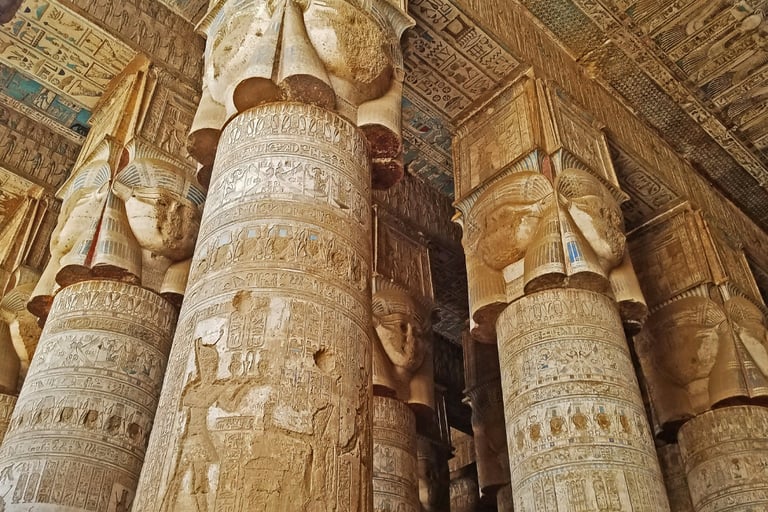
Dendera Temple – Dedicated to the goddess Hathor and famous for its well-preserved reliefs and ceiling
Abydos Temple – One of Egypt’s most sacred sites, associated with the god Osiris and ancient pilgrimage traditions
Ancient Sites in the Aswan Area
Further south, the Aswan region offers some of Egypt’s most remarkable ancient monuments:
Philae Temple – A beautifully relocated temple dedicated to the goddess Isis
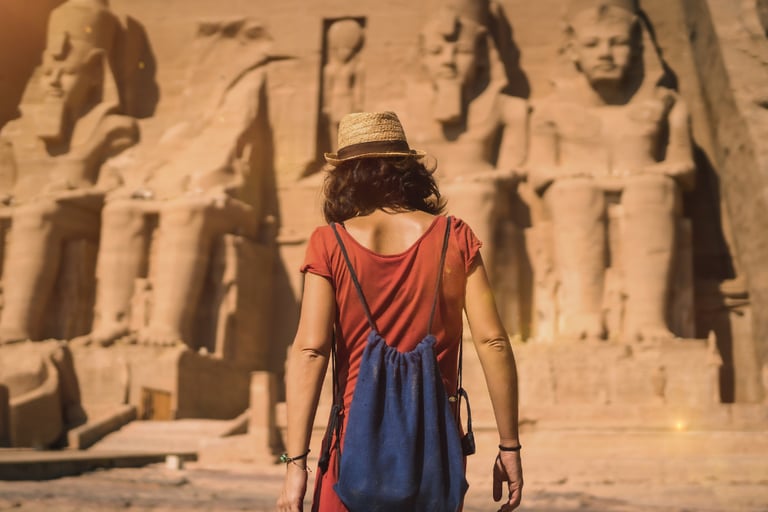
Abu Simbel Temples – Monumental rock temples built by Ramses II, famous for their colossal statues
Temples Between Luxor and Aswan
Along the Nile between Luxor and Aswan, several important temples can be visited, often as part of a transfer or day trip:
Edfu Temple – Dedicated to the god Horus and one of Egypt’s best-preserved temples
Esna Temple – Known for its decorated ceiling and zodiac
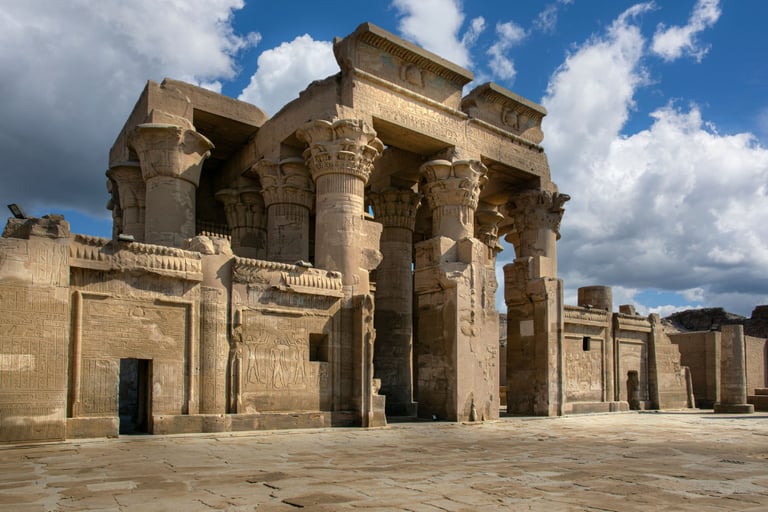
Kom Ombo Temple – A unique double temple dedicated to Sobek and Horus


Discover More of Luxor
Beyond its famous temples and tombs, Luxor offers a variety of memorable experiences that show a different side of the city.
On the West Bank, you can enjoy a horse, camel, or donkey ride through local villages, farmland, and along the Nile, offering a relaxed way to experience everyday life and the landscapes surrounding the ancient sites.
A Luxor city tour is a great way to explore the city beyond the temples, including local markets, the corniche, museums, and everyday neighborhoods, giving you a deeper insight into local life and culture. You can also enjoy a horse-drawn carriage ride, a traditional and charming way to see the city streets and take in the sights at a leisurely pace. The area is also home to many historic churches, monasteries, and mosques, which can be visited to learn more about Luxor’s rich religious heritage.
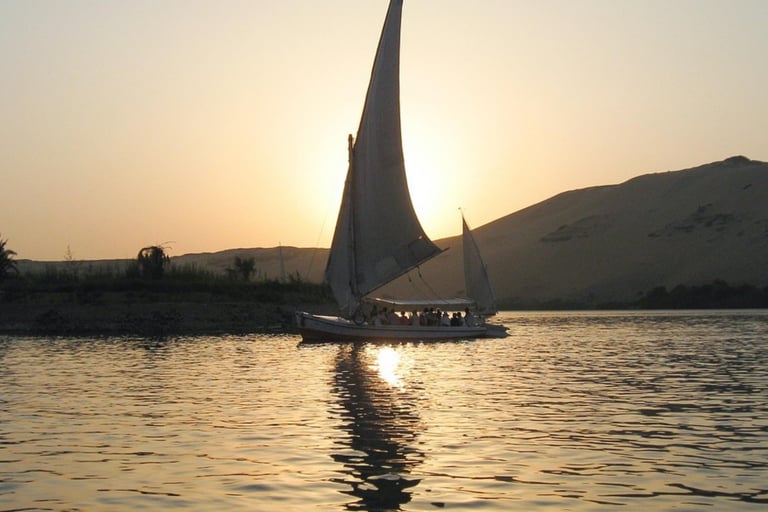
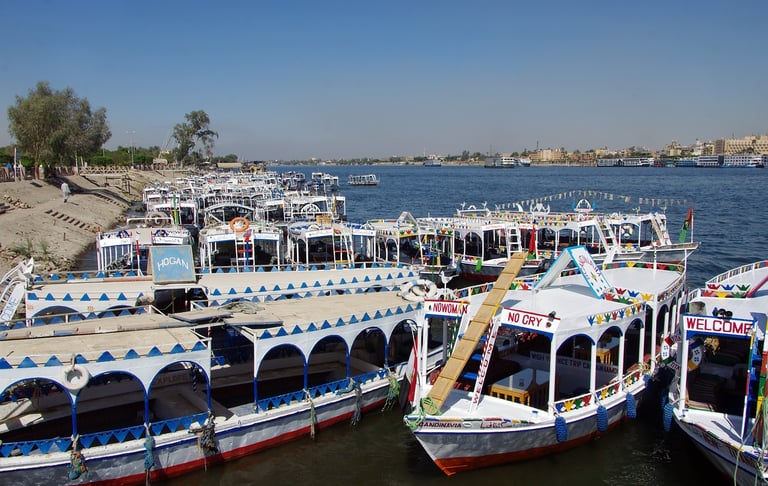
A felucca boat trip on the Nile is a peaceful experience, especially at sunset, with beautiful views of the river and Luxor’s shoreline.
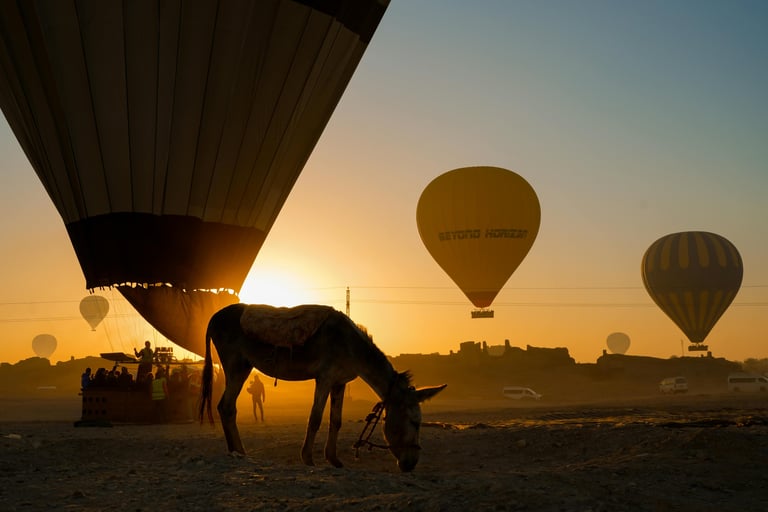
A hot air balloon ride at sunrise is one of Luxor’s most iconic experiences, offering breathtaking views over the West Bank, temples, and the Nile as the sun rises over the desert.
For those seeking adventure, a quad bike safari in the desert takes you beyond the city into wide open landscapes and desert scenery, perfect for travelers looking for something active and exciting.
These activities can be enjoyed on their own or combined with guided tours and private transfers for a complete Luxor experience.
Getting Around Luxor
Getting around Luxor is easy, with several transportation options to suit different travel styles and budgets.
Private transfers and guided tours are the most comfortable and reliable way to explore Luxor’s sites, especially when visiting the West Bank or traveling between temples. They offer air-conditioned vehicles, flexible schedules, and direct hotel pickup.
Taxis are widely available, particularly on the East Bank. Prices are usually negotiable, so it’s best to agree on the fare before starting your journey.
To cross the Nile between the East and West Bank, travelers can use local public ferries or private motorboats, which operate regularly during the day and provide an easy river crossing. On the West Bank, small tuk-tuks are also available, providing a convenient and fun way to get around shorter distances between sites and villages.
It is also possible to travel by car between the East and West Bank via the road bridge. This option is especially convenient for airport, bus, and train station transfers from the West Bank, allowing you to travel comfortably with your luggage without the need to walk or use boats.
In central areas of the East Bank, walking is a good option for short distances, especially around Luxor Temple and the corniche.
No matter how you choose to travel, most attractions are easy to reach, and transport services operate from both sides of the Nile.



Where to Stay in Luxor
Luxor is divided into the East Bank and West Bank, and both offer excellent places to stay.
The East Bank is lively and centrally located, close to Karnak Temple, Luxor Temple, restaurants, and shops. It offers a wider selection of hotels and resort-style stays, making it ideal for travelers looking for full-service accommodation and easy access to East Bank tours and transfers across the Nile.
The West Bank is quieter, more scenic, and often more affordable, without necessarily lower standards. It offers a great variety of guesthouses, boutique hotels, and Airbnb-style accommodations, many located near major sites such as the Valley of the Kings, Hatshepsut Temple, and Medinet Habu. This area is especially popular for West Bank tours and early morning hot air balloon flights.
Tours and transfers operate from both sides of the Nile, so you can explore all of Luxor’s most famous sites no matter where you stay.


Morning view of Luxor’s West Bank


Contact
+20 1055151383
destinationluxor@gmail.com
Phone:
Mail:
WhatsApp:
+20 1055151383
Quick Links
Thank you for visiting our website!